


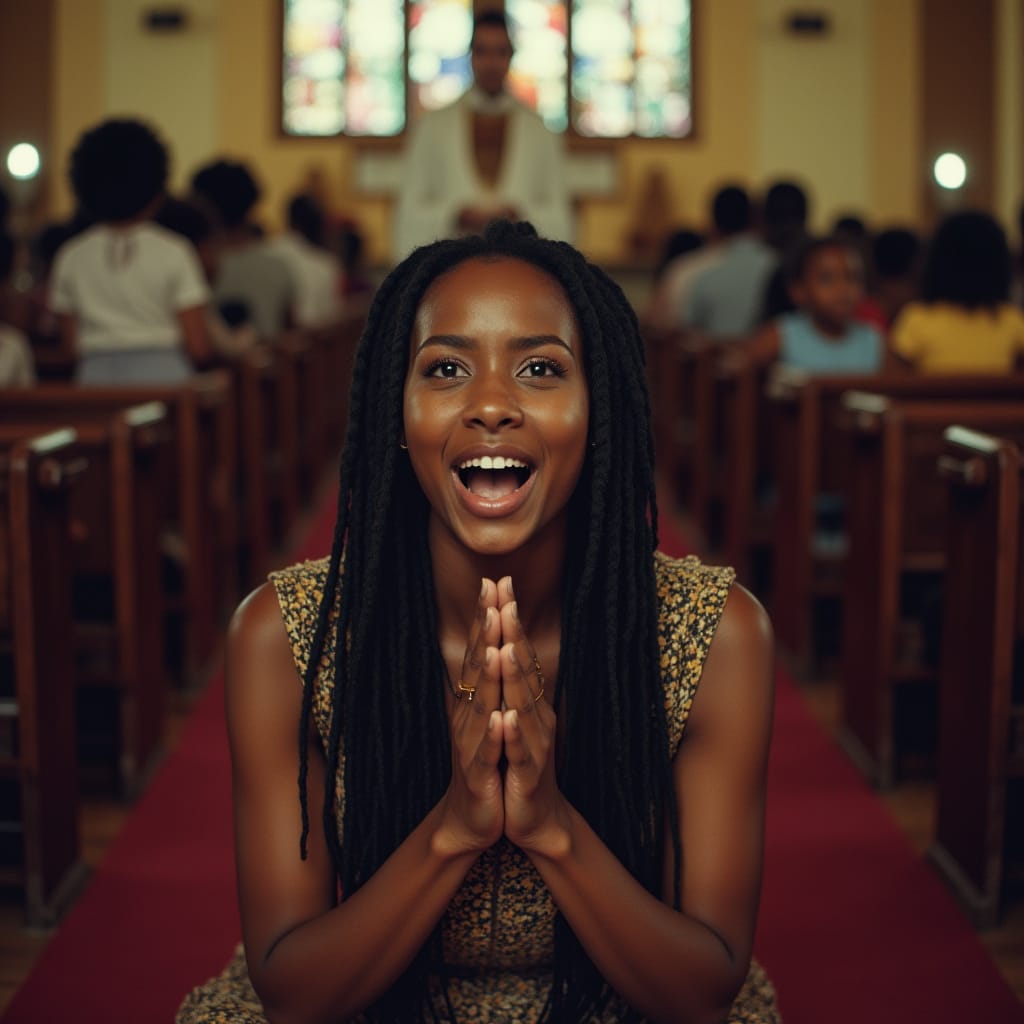
More Than Religion — A Foundation of Jamaican Life
Drive through any parish in Jamaica and one thing becomes clear: churches are everywhere.
From zinc-roof chapels tucked into rural hills to modern mega-churches in Kingston, Christianity is not just a religion in Jamaica — it is infrastructure. It has shaped how communities are built, how land is used, and how society functions.
To understand Jamaican real estate, community development, and even culture, you have to understand the journey of Christianity on the island.
1. The Beginning: Spanish Rule and the First Churches (1494–1655)
Christianity arrived in Jamaica with Christopher Columbus in 1494, during Spanish colonisation.
The Spanish introduced Roman Catholicism
Early churches were built in settlements like Sevilla la Nueva (St Ann)
Indigenous Taíno people were exposed to Christianity, often forcibly
These early churches were not just places of worship — they marked territorial control. Land, religion, and governance were already intertwined.
Where the church goes, settlement follows.
2. British Rule and the Rise of Protestantism (1655–1838)
When the British captured Jamaica in 1655, Christianity shifted dramatically.
Key Developments:
The Church of England (Anglican Church) became dominant
Missionary groups arrived:
Baptists
Methodists
Moravians
Presbyterians
These groups did something transformative:
They moved Christianity beyond plantation elites and into enslaved communities.
Land and Property Impact:
Missionaries began acquiring land to build:
Chapels
Schools
Mission houses
These were often the first structured community spaces outside plantations.
3. Christianity and Emancipation (1834–1865)
After emancipation in 1834, Christianity became a tool of empowerment.
The Baptist “Free Village” Movement
Missionaries helped freed people purchase land and form independent communities.
These villages:
Were often centred around a church
Included small plots for homes and farming
Represented freedom through land ownership
This is one of the earliest examples of community-based real estate development in Jamaica.
Churches were not just spiritual centres — they were:
Landowners
Developers
Community planners
4. Revivalism and Afro-Christian Identity (1860s–1900s)
Christianity in Jamaica did not remain purely European.
It evolved.
Two major movements emerged:
Revival Zion
Pocomania (Pukkumina)
These blended:
African spirituality
Christian teachings
Community rituals
Impact on Land Use:
Worship often took place in yards, open spaces, and small meeting houses
Informal religious spaces shaped organic settlement patterns
Not all “church property” was formal — some of it lived in the social fabric of communities.
5. 20th Century Expansion: Churches Everywhere (1900–2000)
The 20th century saw an explosion of denominations:
Pentecostal churches
Seventh-day Adventists
Church of God movements
Evangelical ministries
What changed?
Churches became:
More accessible
More localised
More numerous
You could find a church:
On a corner
In a yard
Beside a shop
On family land
Real Estate Shift:
This period introduced:
Subdivision of land for churches
Informal use of residential plots for worship
Increasing overlap between residential and religious land use
In many communities, a church became as essential as a shop or school.
6. Modern Jamaica: Mega Churches and Urban Influence (2000–Today)
Today, Christianity in Jamaica is diverse, visible, and still growing.
Key Trends:
1. Mega Churches
Large congregations now operate in:
Purpose-built auditoriums
Commercial-style complexes
Multi-use facilities
2. Churches as Institutions
Modern churches often include:
Schools
Counselling services
Event spaces
Business operations
3. Prime Real Estate Ownership
Churches now own:
High-value urban land
Large rural estates
Investment properties
In many cases, churches are major landholders and stakeholders in the property market.
7. Christianity and Real Estate in Jamaica Today
Christianity continues to shape real estate in ways people often overlook.
1. Location Patterns
Many communities developed around a church first, then expanded outward.
2. Land Ownership
Churches:
Hold long-standing titles
Own inherited lands from colonial and post-emancipation periods
3. Property Use
Church properties are used for:
Worship
Housing (pastors, staff)
Schools
Events
4. Planning Challenges
In modern Jamaica, this raises issues like:
Zoning conflicts (church in residential areas)
Noise complaints
Parking congestion
5. Development Opportunities
Church-owned land presents:
Potential for housing development
Community partnerships
Social housing initiatives
Conclusion: From Chapel to Community Blueprint
Christianity in Jamaica is not just about belief — it is about land, identity, and structure.
From Spanish chapels to Baptist Free Villages…
From Revival yards to mega churches…
The church has helped shape:
Where people live
How communities form
How land is used
If you strip Jamaica down to its foundations, you will often find two things:
land… and a church sitting on it.
Final Thought
Understanding Christianity in Jamaica is not just a cultural exercise.
It is a real estate story — one that continues to influence:
The future of housing on the island
Property ownership
Community development