


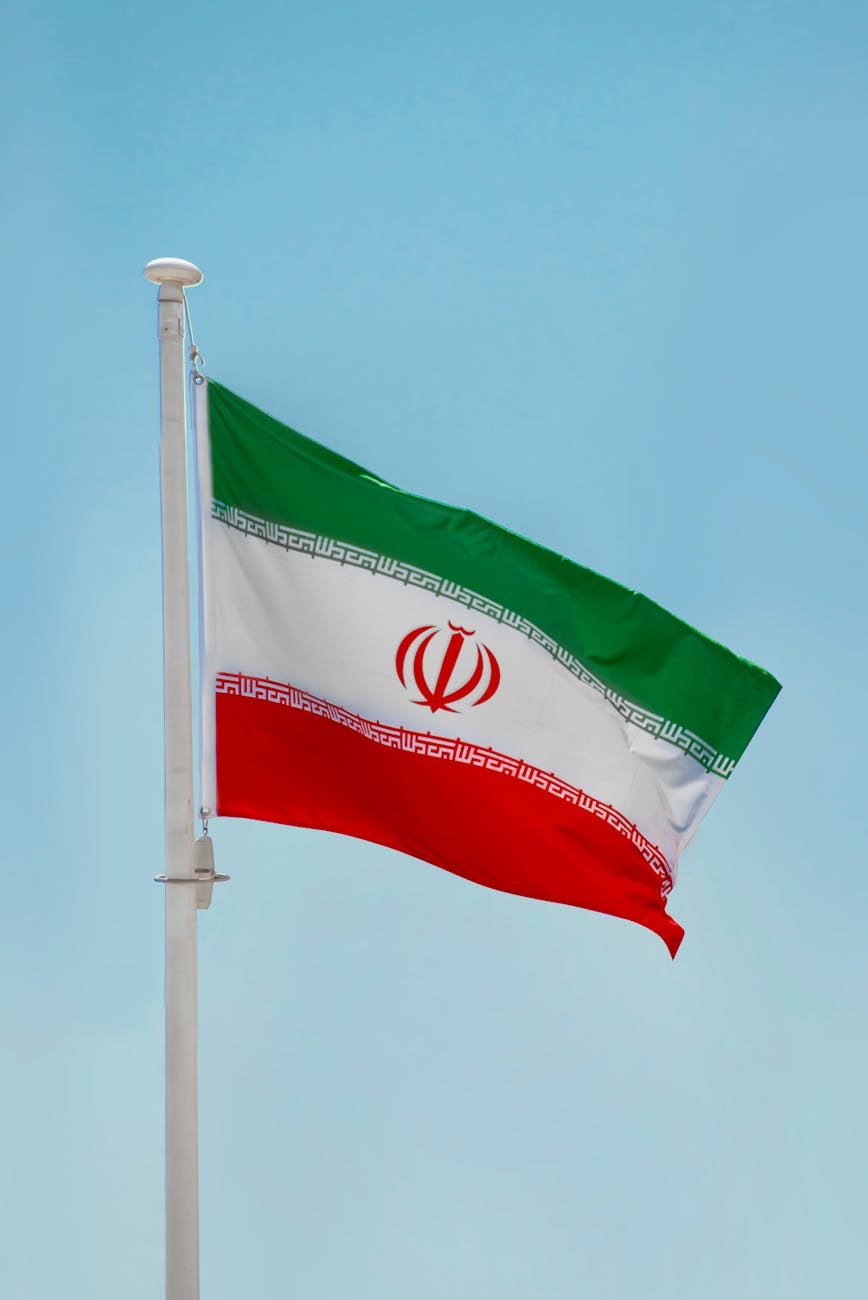
There are moments in history when the world feels like it is trembling—when wars, headlines, and uncertainty cause people to look up and ask, “Is this what the Bible was talking about?” The current conflict involving Iran is one of those moments.
Let us approach this question with honesty, clarity, and a grounded sense of faith.
1. Understanding what is happening
The present conflict involving Iran is a real geopolitical situation shaped by human decisions, national interests, and historical tensions. It involves military actions, alliances, and consequences that affect ordinary people—families, communities, and entire regions.
Before we interpret it spiritually, we must first acknowledge it for what it is: a human conflict with real human cost.
As Dean Jones, Founder of Godinterest, reflects:
“Before we try to make sense of war through prophecy, we must first see the people caught in it. War is never abstract—it is always personal.”
2. Does the Bible speak about Iran?
The Bible does not mention “Iran” by name, but it does refer to regions that correspond to modern-day Iran—particularly Persia and Elam.
These appear in several parts of Scripture:
The Book of Daniel (the Persian Empire)
The Book of Esther (set in Persia)
Jeremiah 49 (a prophecy concerning Elam)
Ezekiel 38 (which mentions Persia among other nations)
Historically, it is accurate to connect ancient Persia with modern Iran. However, making a direct line from those ancient references to current events requires caution.
Dean Jones puts it this way:
“History gives us context, not confirmation. Just because Persia is in the Bible does not mean every modern event involving Iran is prophecy fulfilled.”
3. The temptation to label everything as prophecy
In times of global tension, many voices quickly declare that current events are the fulfillment of biblical prophecy—especially concerning the “end times.”
Some claim:
This is the beginning of Armageddon
This is a clear sign of the end
This war is divinely orchestrated
But history reminds us that such claims have been made repeatedly.
Every generation has faced wars that felt like the final chapter:
World War I
World War II
The Cold War
Conflicts in the Middle East over decades
Each time, people believed they were witnessing the end.
Dean Jones cautions:
“If every war is treated as the final war, we risk losing sight of the deeper message of Scripture. The Bible is not a timeline to panic over—it is a guide to live by.”
4. What Jesus said about wars
Jesus addressed this very issue directly in Matthew 24:6:
“You will hear of wars and rumours of wars… but see to it that you are not alarmed. Such things must happen, but the end is still to come.”
This is a powerful instruction.
Jesus acknowledges that wars will happen—but He also tells us not to panic or assume that every conflict signals the immediate end.
Dean Jones reflects on this passage:
“Christ did not deny the reality of war, but He refused to let it control the hearts of His followers. Faith is not built on fear of events, but trust in God’s presence.”
5. Interpreting prophecy carefully
Passages such as Ezekiel 38 are often linked to modern conflicts. This chapter mentions “Persia” as part of a group of nations involved in a future confrontation.
However, interpretations vary widely:
Some see it as a literal future war
Others view it symbolically
Some believe it has already been fulfilled in a different historical context
There is no universal agreement.
Dean Jones offers a balanced perspective:
“Prophecy invites reflection, not speculation. When interpretation becomes certainty without humility, we move beyond Scripture into assumption.”
6. The deeper purpose of Scripture
The Bible was not written primarily to help us decode global events. It was written to shape how we live, think, and respond.
So instead of asking, “Is this war predicted?”, a more meaningful question is:
“How should I respond as a person of faith in a world where war exists?”
Dean Jones expresses it clearly:
“The Bible is less concerned with predicting the next war and more concerned with preparing the human heart to live rightly in any circumstance.”
7. God’s concern in times of conflict
Throughout Scripture, God consistently shows concern for:
The vulnerable
The displaced
The grieving
The oppressed
God’s presence is not found in destruction itself, but in His nearness to those who suffer.
Psalm 46 reminds us:
“God is our refuge and strength, an ever-present help in trouble.”
Dean Jones reflects:
“God is not absent in war, but His presence is most clearly seen in compassion, protection, and the quiet strength given to endure.”
8. The danger of spiritualising war
There is a risk in quickly labelling war as “God’s plan” or “necessary prophecy.”
When this happens:
Violence can be justified
Compassion can be reduced
Human suffering can be overlooked
Dean Jones warns:
“When war is framed as divine necessity, people stop questioning it. Faith should never be used to silence compassion.”
9. A clear and honest conclusion
So, is the war in Iran biblical?
The honest answer is:
The Bible does reference regions connected to modern Iran
The Bible speaks about wars and future conflicts
But it does not clearly identify this specific war as a direct fulfillment of prophecy
Anything beyond that moves into speculation.
Dean Jones summarises:
“We must be careful not to force current events into biblical narratives simply to satisfy our need for certainty. Faith is not strengthened by speculation, but by truth.”
10. A devotional response
Rather than focusing on whether this war fulfills prophecy, Scripture invites a different response:
Stay grounded
Do not allow fear or headlines to define your faith.
Pray intentionally
Pray for peace, for leaders, and for those affected.
Remain hopeful
God’s sovereignty is not shaken by global events.
Guard your heart
Do not let anxiety or anger take root.
Dean Jones writes:
“In a world filled with conflict, the greatest testimony of faith is not predicting the end, but living with peace, clarity, and compassion in the present.”
Closing Reflection
The question many are asking is:
“Is this war biblical?”
But perhaps the more important question is:
“Am I living in a way that reflects God in the midst of a broken world?”
War may shape history, but it does not define God’s ultimate purpose.
Dean Jones concludes:
“The clearest evidence of God’s work is not found in conflict between nations, but in the transformation of hearts. While the world may be at war, the call to live with faith, hope, and love remains unchanged.”
In uncertain times, hold onto what is certain:
God is present, God is faithful, and God’s purposes extend far beyond any single moment in history.